
Your DPF warning light 1 is on and your engine feels sluggish. Ignoring this can lead to very expensive repairs, but don't panic. There are clear steps you can take.
First, try driving at a sustained highway speed for 20-30 minutes. This often triggers an automatic cleaning process called regeneration. If that fails, consult your vehicle's manual to perform a forced regeneration. If the problem persists, professional cleaning is the next step before considering a full replacement.

I've been in the exhaust components business for years, supplying DPF gaskets and clamps to brands and distributors worldwide. One of the most common questions I get from my clients, from fleet managers to parts wholesalers, is about dealing with a clogged Diesel Particulate Filter 2 (DPF). It's a frustrating problem that can bring a vehicle, or an entire fleet, to a halt. The good news is that the solution often follows a logical, step-by-step process. In this post, I'll walk you through the exact same advice I give my professional customers, starting with the simplest fix and moving up to the more involved solutions. Let's break down what you need to do.
Can I Fix a Clogged DPF by Just Driving Fast?
You’ve heard that a "good, long drive" can clear your DPF warning light. But you might worry if it actually works or if you're just wasting fuel.
Yes, driving at a sustained high speed, like on a highway, can often clear a partially blocked DPF. This process, known as passive regeneration 3, uses the high temperature of the exhaust gases to burn off the soot trapped inside the filter, effectively cleaning it as you drive.
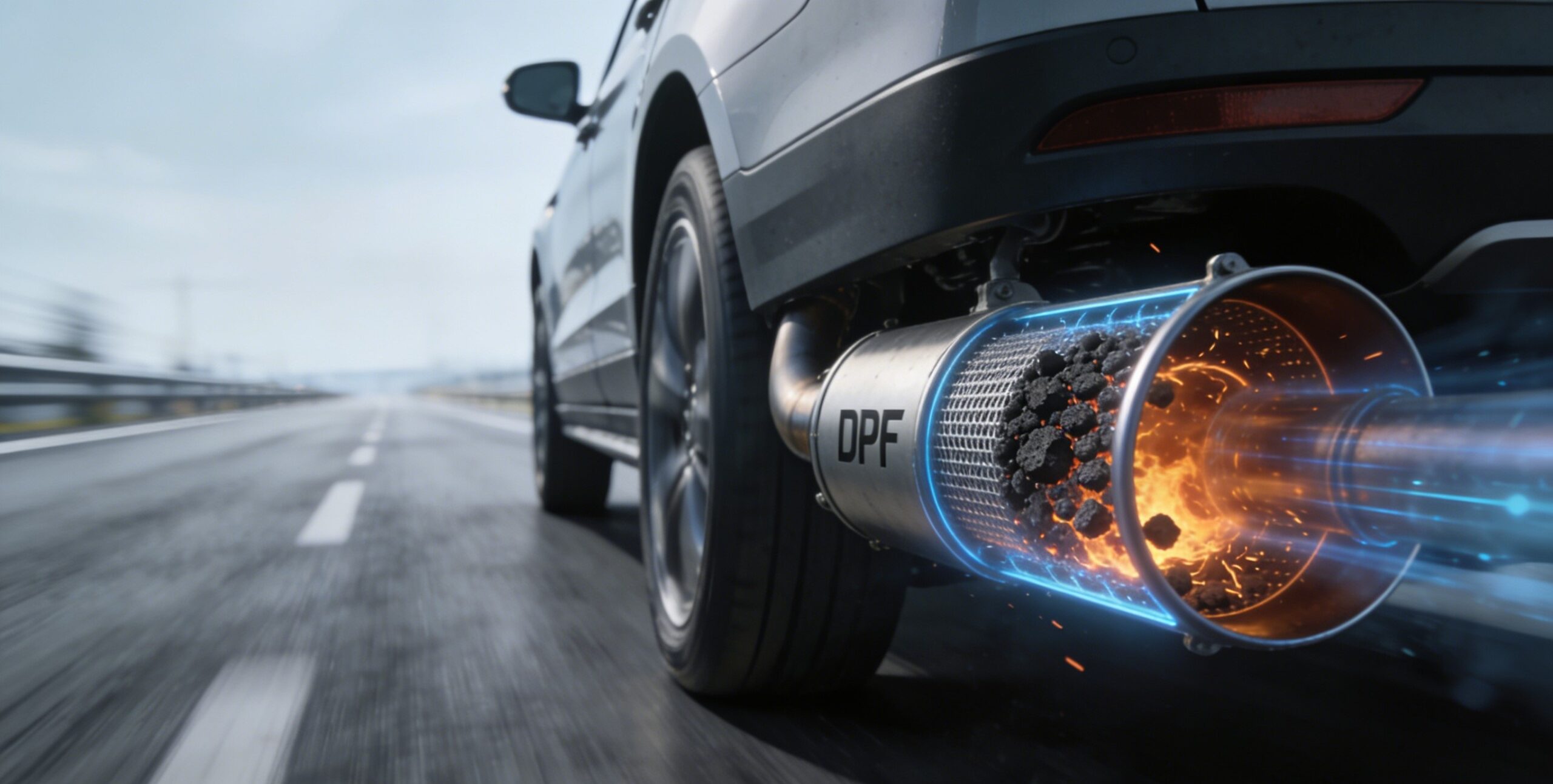
Let's dive a little deeper into how this works. Your DPF is designed to trap soot, which is basically unburnt carbon from the combustion process. Over time, this soot builds up. The engine's computer, or ECU, knows it needs to get rid of this buildup. The most efficient way is through heat. Passive regeneration happens naturally when your exhaust gets hot enough—usually above 600°C (or 1112°F). This temperature is rarely reached during short, stop-and-go city driving. However, a steady drive on the highway for about 20 to 30 minutes keeps the engine RPMs high and consistent, generating the necessary heat to incinerate the soot and turn it into a small amount of harmless ash. I once advised a client who runs a local delivery service. His vans were constantly getting DPF warnings. I suggested he implement a new rule: every van had to get a 30-minute highway run at the end of each week. His DPF-related issues dropped by more than half within a month.
| Driving Style | Typical Exhaust Temp | Soot Burn-off Rate |
|---|---|---|
| City Driving (Stop-Go) | 200°C - 350°C | Very Low |
| Highway Driving (>80km/h) | 550°C - 650°C | High |
| Aggressive Acceleration | Fluctuates Wildly | Inconsistent |
What If Highway Driving Doesn't Work?
So, you took the truck for a long highway drive, but that stubborn warning light is still on. Now you're feeling stuck and thinking a costly trip to the mechanic is next.
If passive regeneration from highway driving fails, your vehicle may need an active or forced regeneration. This is a process initiated by the vehicle's computer (or manually by a technician) that injects extra fuel to artificially raise the exhaust temperature and burn off the soot.
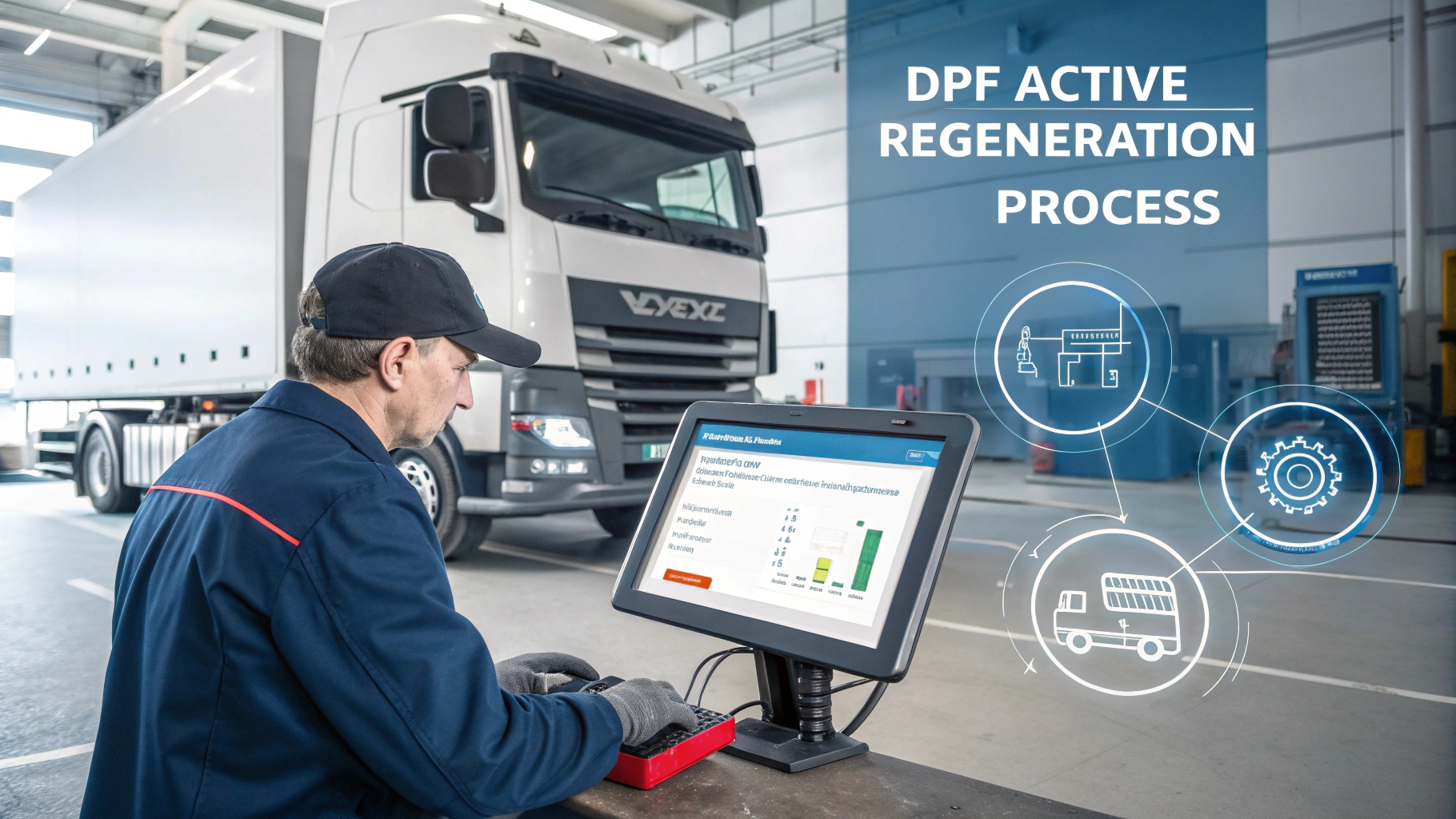
When the ECU detects that the DPF is blocked but the right driving conditions for passive regeneration aren't being met, it will try to start an "active" regeneration. It does this by injecting a small amount of fuel into the exhaust stream after the engine's combustion cycle. This fuel travels to the DPF and ignites, creating the intense heat needed to burn off the soot. Sometimes, you won't even notice this is happening. However, if the filter is too blocked or your driving cycles are too short, this process can't complete, and the light stays on. This is when a "manual" or "forced" regeneration is needed. Many commercial trucks have a button on the dash for this specific purpose. For other vehicles, a technician needs to use a diagnostic tool to start the process while the vehicle is parked. It's critical to do this in a safe, open area away from anything flammable, as the exhaust system will get extremely hot.
| Regeneration Type | How It's Triggered | Driver Action Needed |
|---|---|---|
| Passive | Highway driving | Drive at sustained speed |
| Active | ECU detects blockage | None (usually automatic) |
| Forced | Manually with button/tool | Park safely, follow manual |
When Is It Time for a Professional Cleaning?
You've tried the highway run and the forced regeneration, but the filter is still clogged. You're worried about the cost and downtime of a full DPF replacement.
When both passive and forced regeneration fail, it's time for professional, off-vehicle cleaning. This is required when the filter is heavily blocked with soot and non-combustible ash, which regeneration alone cannot remove. This service is a cost-effective alternative to a full replacement.
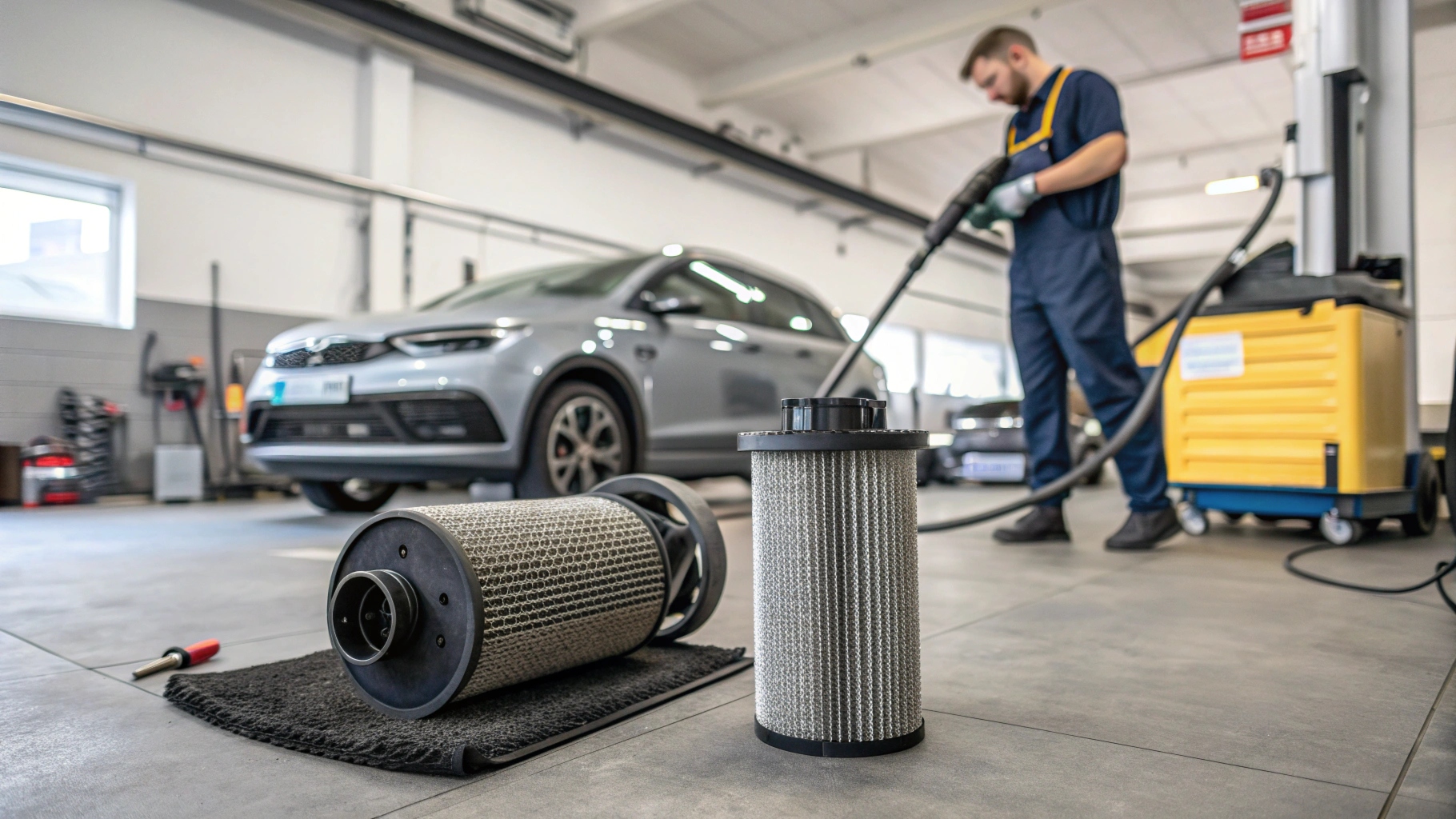
Here’s something important to understand: regeneration burns soot, but it leaves behind a small amount of ash. Over tens of thousands of miles, this ash builds up and cannot be burned away. Eventually, there's so much ash that the filter can't function properly, and regeneration cycles become less and less effective. This is when you need a professional to remove the DPF from the vehicle and clean it. They use specialized equipment to do this. The most common methods are baking the filter 4 in a high-temperature oven to oxidize any remaining soot, followed by using high-pressure air to blow out the ash. As a manufacturer, we design our DPF gaskets and clamps to withstand the stress of removal and reinstallation for these cleanings. Using a new, high-quality gasket is crucial after a professional clean to prevent exhaust leaks, which could cause the DPF to clog up again prematurely.
| Cleaning Method | How It Works | Best For |
|---|---|---|
| Bake & Air | High-temp oven followed by compressed air | Standard ash and soot removal |
| Aqueous Flush | Water-based solution flushes filter | Heavy oil or coolant contamination |
| Ultrasonic | High-frequency sound waves dislodge particles | Deep, stubborn blockages |
Is Replacing the DPF My Only Final Option?
You've had the filter cleaned professionally, but it's clogging up again far too quickly. You feel like you're just throwing money at a problem that won't go away.
Yes, replacement is the final and necessary step 5 if the DPF is physically damaged—cracked or melted—or if it clogs repeatedly after a professional cleaning 6. This indicates the internal filter media has reached the end of its functional life and can no longer be salvaged.
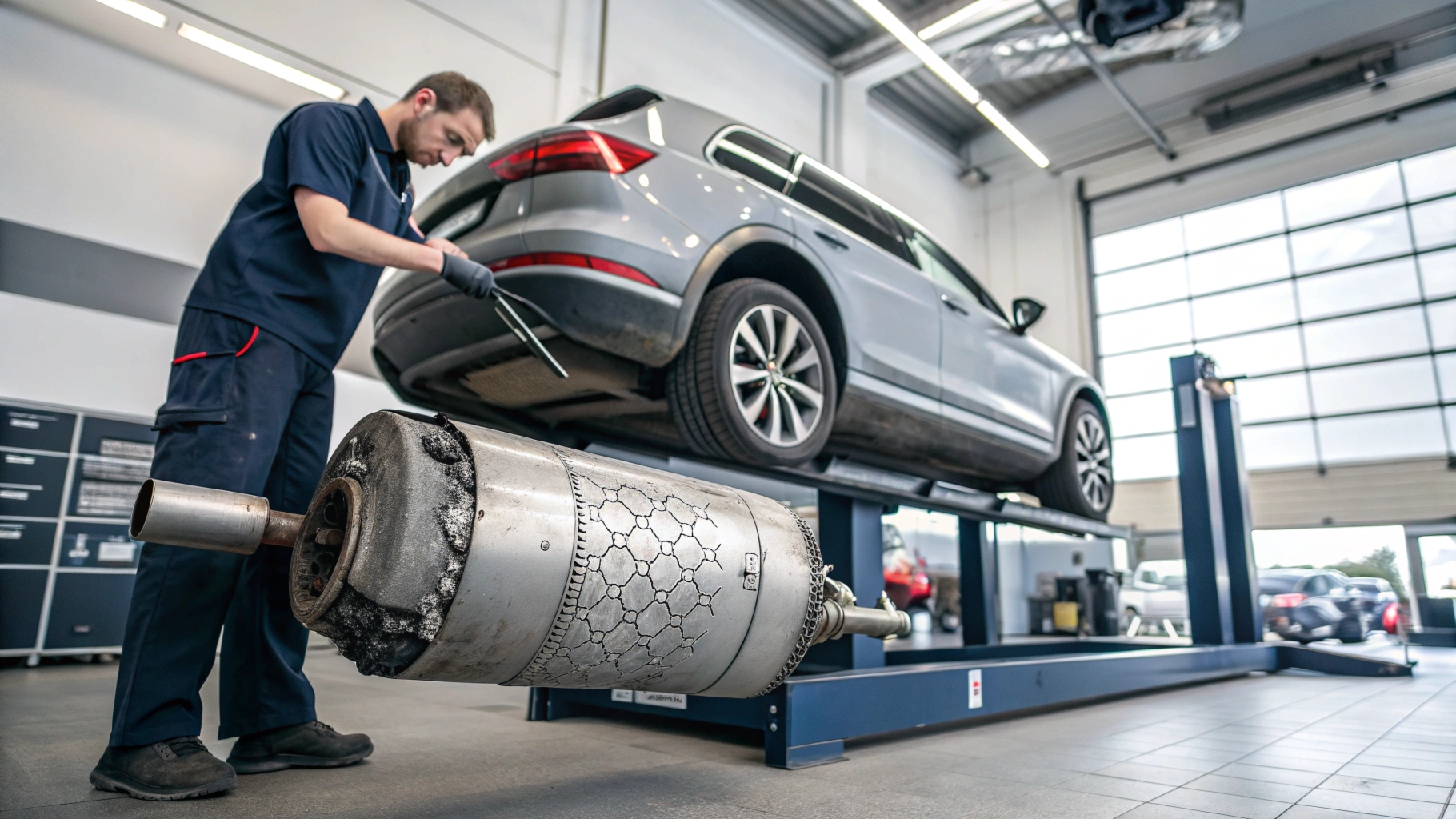
A DPF is a wear item, just like brake pads or tires. It won't last forever. The constant heating and cooling cycles can eventually cause the delicate ceramic core to crack. An engine issue, like a faulty injector, can cause the filter to overheat and melt internally, a process called sintering. Once this physical damage occurs, no amount of cleaning will fix it. The filter's capacity is permanently reduced, and it will clog up very quickly. At this point, continuing to clean it is not economical. You have to consider the cost of downtime, repeated labor, and poor fuel economy. A replacement is the only reliable long-term solution. When you do replace it, make sure the root cause of the failure is also fixed. And insist on quality components for the installation 7, especially the DPF gaskets and clamps. A cheap gasket can fail and cause a leak, leading to incorrect pressure readings and triggering the same DPF problems all over again.
| Symptom | Probable Cause | Recommended Action |
|---|---|---|
| Clogs after 100,000+ miles | Normal ash accumulation | Professional Cleaning |
| Clogs quickly after cleaning | Underlying engine issue | Diagnose engine, then clean/replace |
| Visible cracks or melting | Extreme heat event | Replace DPF |
| Constant fault codes | Internal filter failure | Replace DPF |
Conclusion
To fix a full exhaust filter, first try highway driving. If that fails, initiate a forced regeneration. If it's still blocked, get it professionally cleaned. Replace it only if it's damaged.
Understanding the DPF warning light can help you take timely action to prevent costly repairs. ↩
Find effective solutions to handle a clogged DPF and keep your vehicle running smoothly. ↩
Passive regeneration is a natural process that can help maintain your DPF without intervention. ↩
Baking is a common method to clean DPFs, removing stubborn soot and ash effectively. ↩
Learn when replacement is unavoidable to prevent further vehicle issues and expenses. ↩
Professional cleaning might be necessary to restore your DPF's functionality and avoid replacement. ↩
Using quality components ensures longevity and proper functioning of your DPF system. ↩