
A blocked DPF 1 is killing your engine's performance and efficiency. Ignoring it leads to costly repairs, but what's the right move? Let's find out.
A DPF can often be cleaned through regeneration 2 if the blockage is minor. However, if it's severely clogged, physically damaged 3, or has reached its service life 4, replacement is the only option to restore engine performance and meet emissions standards.
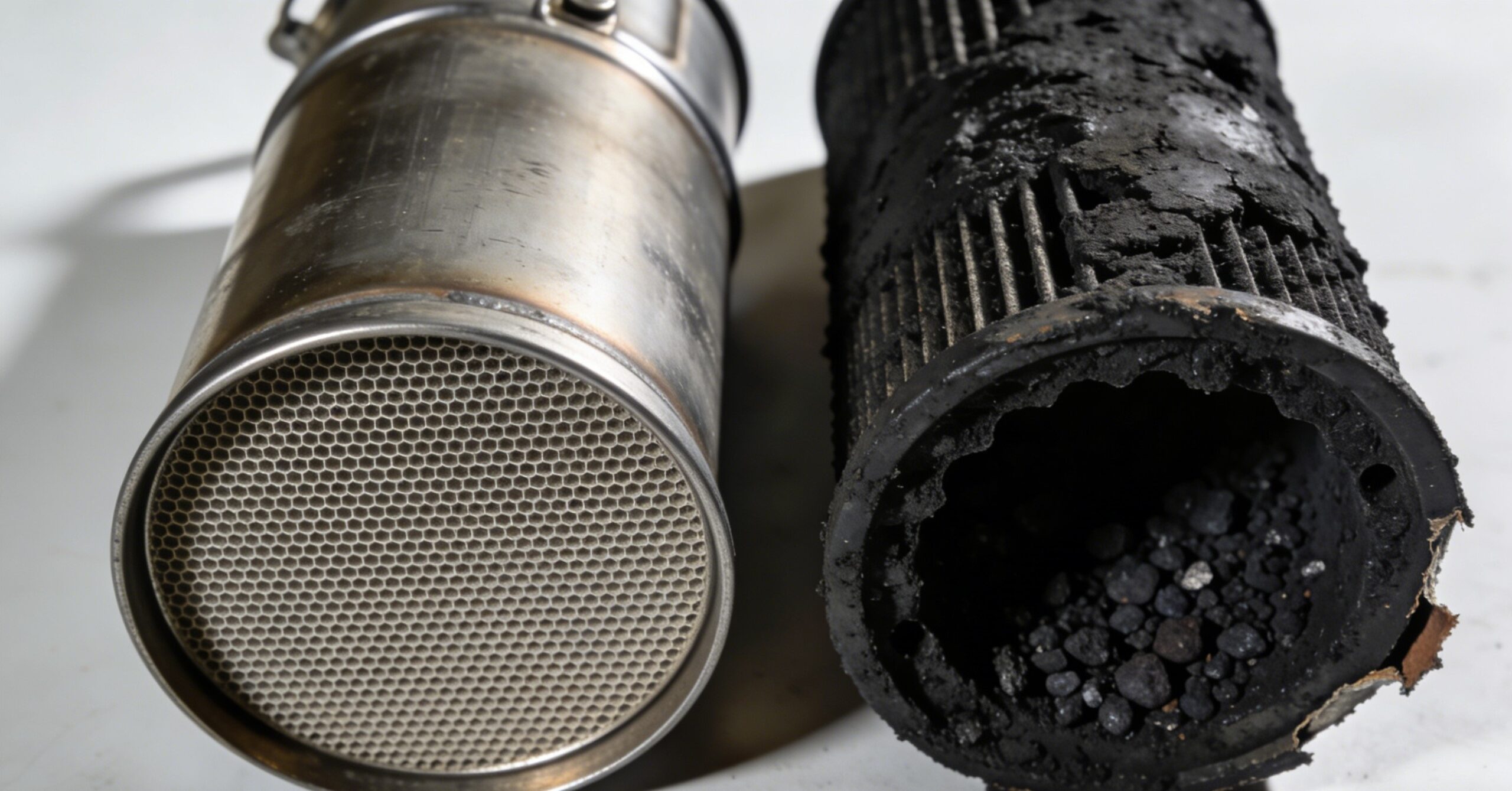
I've been supplying DPF gaskets and clamps for years, and this is a question I get all the time. My clients, from large distributors to fleet managers like Nick in the United States, need a clear, no-nonsense answer. They can't afford downtime or repeat repairs. So, let's break down when a good cleaning will do the trick and when you absolutely need to start fresh with a new unit. Understanding this difference saves you serious time and money.
When is cleaning a DPF the right choice?
Your DPF warning light is on, and you're worried about a huge replacement bill. The good news is that in many cases, a professional cleaning 5 can solve the problem.
Cleaning is the best choice for light to moderate soot buildup. Methods range from automatic vehicle regeneration 6n](https://www.reddit.com/r/Diesel/comments/1dnktgb/explain_regeneration_to_me_like_im_5_please/)%%%FOOTNOTE_REF_2%%% to professional off-car cleaning like baking or chemical flushes. This restores flow and function without the high cost of a new unit, provided the filter isn't damaged.
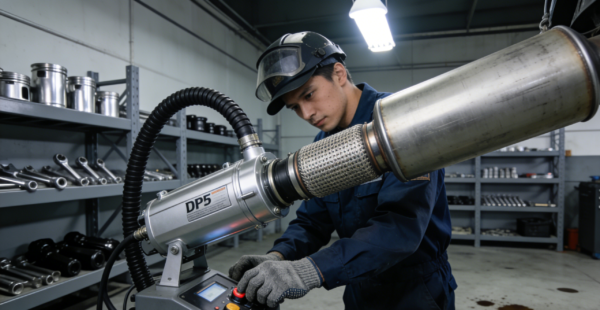
When a DPF is just starting to get clogged with soot, cleaning is your first and best option. It’s cheaper and gets the vehicle back on the road quickly. I always tell my clients that catching a clog early is key. There are a few ways to handle it, depending on how bad the blockage is. The vehicle itself has built-in processes, but sometimes you need to call in the professionals for a deeper clean. It all comes down to clearing out the soot and ash before it causes permanent damage to the filter's delicate internal structure.
Automatic Regeneration
Your vehicle is designed to clean the DPF on its own. This is called regeneration 2.
- Active Regeneration: The vehicle's computer (ECU) senses the DPF is getting full. It then injects a small amount of fuel into the exhaust. This raises the temperature inside the DPF to over 600°C, which burns the trapped soot into a fine ash. This happens automatically while you drive.
- Passive Regeneration: This happens naturally during long, high-speed drives, like on the highway. The high exhaust temperatures are enough to burn off some of the soot without the ECU needing to do anything special.
Manual Cleaning Methods
If the vehicle can't complete a regeneration 2 cycle, maybe due to too many short trips, the DPF will become too blocked. At this point, you need a manual, or forced, cleaning.
| Cleaning Method | How It Works | Best For |
|---|---|---|
| Baking (Thermal) | The DPF is removed and baked in a special oven at high temperatures for several hours to burn off all soot. | Moderate to heavy soot buildup. |
| Air Blasting | High-pressure air is blown through the filter in the reverse direction to dislodge soot and ash. | Removing the fine ash left after baking. |
| Chemical (Flush) | Special cleaning chemicals are used to dissolve the carbon deposits inside the DPF. | Stubborn clogs that baking alone can't fix. |
After any manual cleaning, I stress to my customers the importance of testing the DPF 7. You have to check that it’s sealed properly and still filters effectively. A good cleaning can make an old DPF work like new, but only if the filter itself is still in good shape.
When is replacing a DPF the only option?
You've tried cleaning the DPF, maybe more than once, but the problems just keep coming back. You're pouring money into a failing part. Sometimes, replacement is the only way to fix it for good.
You must replace a DPF when it is physically damaged 3, like cracked internals, or severely clogged to the point of sintering 8, where soot has hardened. Also, if it repeatedly clogs after cleaning or has reached its end-of-life 9, replacement is the only reliable solution.
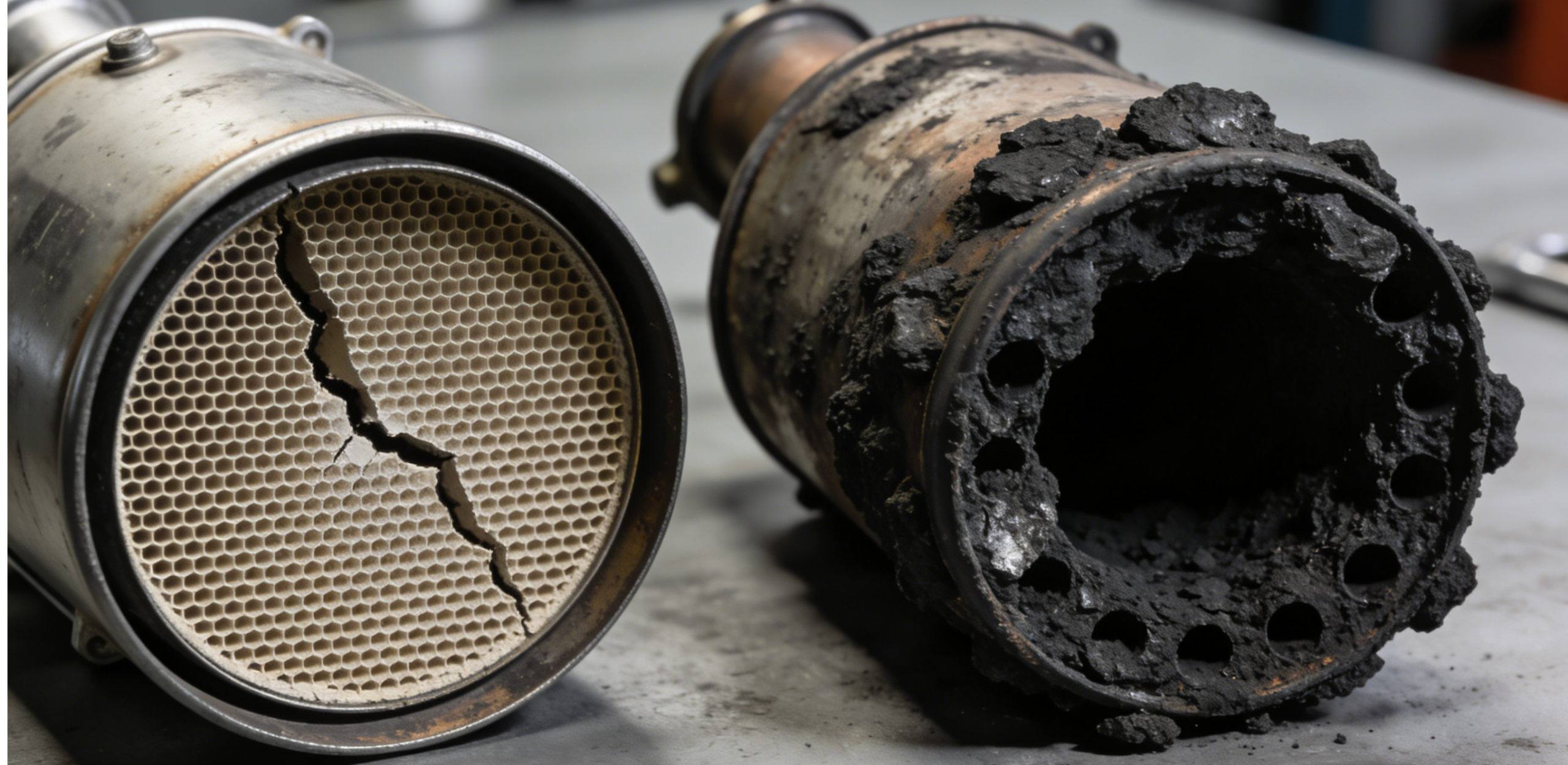
There comes a point of no return for every DPF. Cleaning is great for soot, but it can't fix a broken part. I've seen clients like Nick waste hundreds of dollars trying to clean DPFs that were already toast. He learned the hard way to recognize the signs of a filter that was beyond saving. Knowing when to cut your losses and invest in a new unit is critical for managing a fleet or a repair shop. It avoids repeat jobs and unhappy customers. If the filter's core is compromised, you're just delaying the inevitable.
Severe Clogging and Sintering
If a DPF is ignored for too long, the soot and ash build up under extreme heat and pressure. This can cause the particles to melt together and form a hard, solid mass. This is called sintering 8. Once this happens, no amount of cleaning will work. The blockage is permanent.
- Symptom: Extremely high exhaust backpressure.
- Result: Major loss of engine power, terrible fuel economy, and potential engine damage.
Physical Damage
The inside of a DPF is a honeycomb structure 10 made of a fragile ceramic material. It can be damaged by a few things:
- Vibrations or impacts can cause cracks.
- An engine malfunction, like a faulty injector, can cause raw fuel to enter the DPF and ignite, melting the core.
- The outer steel casing can rust or get damaged, causing leaks. A cracked filter cannot trap soot, making it useless. It must be replaced.
End of Service Life
DPFs don't last forever. The regeneration 2 process burns soot into ash, but that ash stays trapped in the filter. Over time, the filter fills with this unburnable ash. A DPF can only hold so much. After tens of thousands of miles and many cleaning cycles, it simply runs out of space. Its filtering efficiency drops, and it will start to clog up very quickly, even after a professional cleaning 5. At this point, its useful life is over.
How can you make your DPF last longer?
DPF issues can feel like a constant headache for fleet operators. You feel like you're always dealing with regeneration 2 cycles or workshop visits. But simple habits can significantly extend your DPF's life.
To prolong DPF life, ensure regular highway driving 11 to allow for passive regeneration 12n](https://www.reddit.com/r/Diesel/comments/1dnktgb/explain_regeneration_to_me_like_im_5_please/)%%%FOOTNOTE_REF_2%%%. Use the correct low-ash engine oil 13 and address any engine faults, like faulty injectors, immediately. Proper maintenance prevents premature clogging and costly failures.
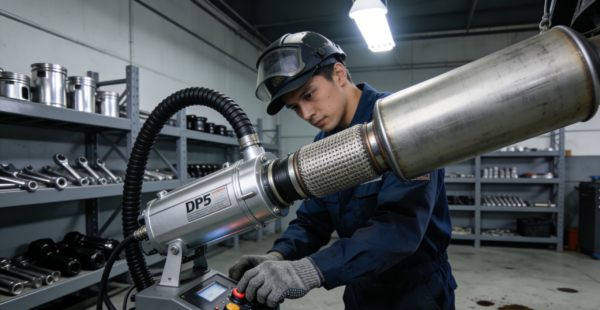
I provide more than just gaskets and clamps to my clients. I give them advice they can use to reduce their long-term costs. The best way to deal with DPF problems is to prevent them from happening in the first place. A healthy engine leads to a healthy DPF. If you take care of the vehicle, the DPF will take care of itself for a very long time. It’s all about creating the right conditions for the DPF to do its job properly and not putting extra stress on it from other failing parts.
Driving Habits Matter
A DPF needs heat to clean itself. Short, stop-and-go city driving doesn't allow the exhaust to get hot enough for regeneration 2.
- Solution: Make sure the vehicle gets a good run on the highway at a steady speed for at least 20-30 minutes every week or so. This gives the DPF a chance to complete a full active or passive regeneration 12n](https://www.reddit.com/r/Diesel/comments/1dnktgb/explain_regeneration_to_me_like_im_5_please/)%%%FOOTNOTE_REF_2%%% cycle and clear itself out.
Use the Right Fluids and Fuel
Using the wrong products can kill a DPF quickly.
- Engine Oil: Always use low-ash (Low SAPS) engine oil specified by the manufacturer. Standard oil creates a lot of ash when it burns, which will clog the DPF very fast.
- Fuel: Use clean, high-quality diesel. Poor quality fuel can create more soot.
Proactive Engine Maintenance
The DPF is at the end of the line. Any problem upstream in the engine will affect it.
- Check for Faults: Address any engine warning lights immediately.
- Injectors and Turbos: A leaking injector or a failing turbo can send oil or excess fuel into the exhaust, creating heavy, oily soot that is very difficult to burn off.
- EGR System 14: A faulty EGR valve can also increase soot production. Regular engine service is the best DPF life insurance you can buy.
Conclusion
In short, clean a DPF for minor soot blockages. But for severe clogs, physical damage, or old age, replacement is necessary to protect your engine and emissions compliance.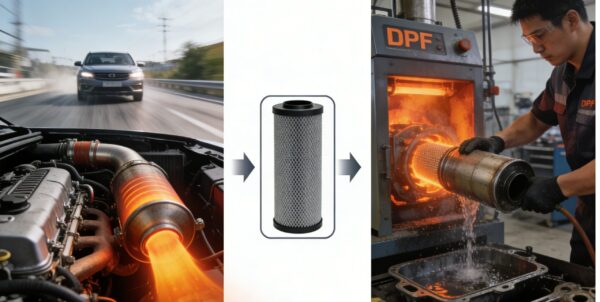
Understanding the symptoms of a blocked DPF can help you identify issues early and avoid costly repairs. ↩
Learn how DPF regeneration can restore your engine's performance and prevent the need for expensive replacements. ↩
Knowing the causes of physical damage to a DPF can help you prevent it and extend the life of your filter. ↩
Understanding the service life of a DPF helps in planning maintenance and avoiding unexpected failures. ↩
Discover how professional cleaning can effectively restore your DPF and save you money compared to replacement. ↩
Learn how automatic vehicle regeneration works to keep your DPF clean and your engine running efficiently. ↩
Learn the importance of testing a DPF post-cleaning to ensure it functions effectively and prevents future issues. ↩
Discover how sintering can permanently damage a DPF and why replacement might be necessary. ↩
Recognize the signs of a DPF reaching its end-of-life to avoid unexpected breakdowns and costly repairs. ↩
Understand the role of the honeycomb structure in filtering emissions and maintaining engine efficiency. ↩
Discover how regular highway driving can facilitate DPF regeneration and improve engine performance. ↩
Learn how passive regeneration naturally cleans your DPF during regular driving conditions. ↩
Find out how using low-ash engine oil can prevent premature DPF clogging and extend its lifespan. ↩
Understand the impact of the EGR system on DPF efficiency and how to maintain it for optimal performance. ↩